Transit Action Network (TAN)

Advocates for Improved and Expanded Transit in the Kansas City Region.

Posts Tagged ‘KCATA’

Public Budget Hearings – Thank KC City Council for Restoring Funding to Public Transit

Posted by Transit Action Network on January 30, 2012


Kansas City has scheduled their annual public meetings on the budget. If you attend and testify at one of these meetings, consider thanking the Council for passing Ordinance 100951 to restore funding to public transit. This Ordinance, which was passed in December 2010, gives KCATA at least 95% of the revenue from the ½ cent Transportation Sales Tax (after TIF and City administration fees) . The ordinance has a phase in period. The city has to reach the 95% mark by May 1, 2014. When Transit Action Network started working on the ordinance, the KCATA was only going to receive $19.9 million from this fund. In the upcoming budget being discussed for 2012-2013, the city has budgeted $23.5 million for KCATA or 82% of the available money. Reaching the 95% mark will result in millions of additional dollars for public transit. TAN wants to thank everyone who joined forces with us to help get the ordinance passed. Please, remember to thank the Council.

The City of Kansas City, Missouri City Council Public Budget Hearings 2012 will be held on the following dates:

Saturday, February 4th – 4th District
Time: 10:00 a.m. – 12 noon
Location: KCMO Health Department, 2400 Troost Ave, KCMO 64108
(park and enter on north side of building)

Saturday, February 11th – 5th District
Time: 10:00 a.m. – 12 noon
Location: Southeast Community Center, 4201 East 63rd Street, KCMO 64130

Saturday, February 18th – 3rd District
Time: 10:00 a.m. – 12 noon
Location: Robert J. Mohart Multipurpose FOCUS Center, 3200 Wayne Ave, KCMO 64109

Wednesday, February 22nd – 2nd District
Time: 6:00 – 8:00 p.m.
Location: Park Hill Education Center, 7703 N.W. Barry Road, KCMO 64153

Saturday, February 25th – 1st District
Time: 10:00 a.m. – 12 noon
Location: Shoal Creek Police Academy, 6801 NE Pleasant Valley Road, KCMO, 64119

Wednesday, February 29th – 6th District
Time: 7:00 – 9:00 p.m.
Location: Hillcrest Community Center, 10401 Hillcrest Rd, KCMO 64134

For more information, please contact:
Susan Borge
Legislative Aide to Councilwoman Jan Marcason
4th District
(please note new phone#/email)
816 513-6517
susan.borge@kcmo.org

Posted in Action, Events, Local Transit Issues | Tagged: , | Leave a Comment »

Model Trains are a Great Excuse for a Transit Adventure

Posted by Transit Action Network on January 21, 2012


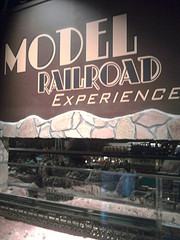
Model Railroad Experience

Union Station has just the thing for kids of all ages: The Model Railroad Experience.

Model Railroad Experience at Union Station

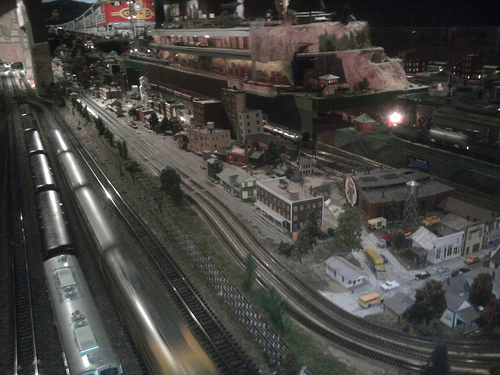
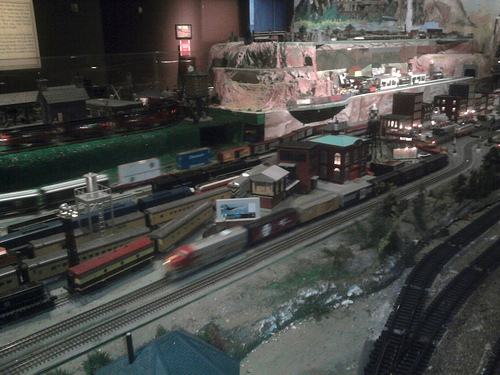
We stopped in recently for a peek and were impressed.  More than 40 trains of all the popular gauges (N, HO, S, O, and G) were running through carefully detailed cities and towns in one of the largest model railroad displays in the country.  Enter free with Union Station membership, or with a small donation (suggested $2 for adults, $1 for kids).

Model Railroad Experience is an expanded version of the Holiday Season exhibit that previously had to be reconstructed each year.  It is open daily 9:30 to 5:00.

There are other kid-friendly attractions nearby, too, both at Union Station or at Crown Center:  Science City, Kaleidoscope, Coterie Theater, ice skating at Crown Center, etc.  Coming soon to Crown Center are Lego Land (spring) and Sea Life (summer).

Fortunately, it’s easy to get to the Union Station / Crown Center area by transit:

From Johnson County – We suggest Route 672 – Midday from Johnson County Community College, Oak Park Mall, Metcalf South, or 6000 Lamar transit hub in Mission.  Arrive at Union Station shortly after 1:00 pm.  Return via one of the many afternoon commuter routes that stop on Main outside Union Station, or at Crown Center on Grand.  http://www.thejo.com/routes/672.shtml

From the Northland, take Route 142 – North Oak, which operates hourly Monday through Saturday. http://www.kcata.org/maps_schedules/routes/142_north_oak/

Model Railroad Experience at Union Station

From the south, Main Street MAX gets you there from Waldo, Brookside, the Plaza, and Midtown. http://www.kcata.org/maps_schedules/routes/mainmax/

From the southeast there’s Route 28 – Blue Ridge from Hickman Mills and Blue Ridge Crossing. http://www.kcata.org/maps_schedules/routes/28_blue_ridge/

From the east there’s Route 24 from Independence along Independence Avenue. http://www.kcata.org/maps_schedules/routes/24_independence/

Find additional transit travel options using Google Transit or call the Regional Transit Information Center, 221-0660. http://www.kcata.org/maps_schedules/trip_planner/

So get busy and plan a transit adventure to Union Station and Crown Center for the kids in our life — including the kids who are way up in double-digits.

Posted in Transit Adventures | Tagged: , | Leave a Comment »

Public Workshop on Bus/Bike Route Planning – Jan 10

Posted by Transit Action Network on January 3, 2012


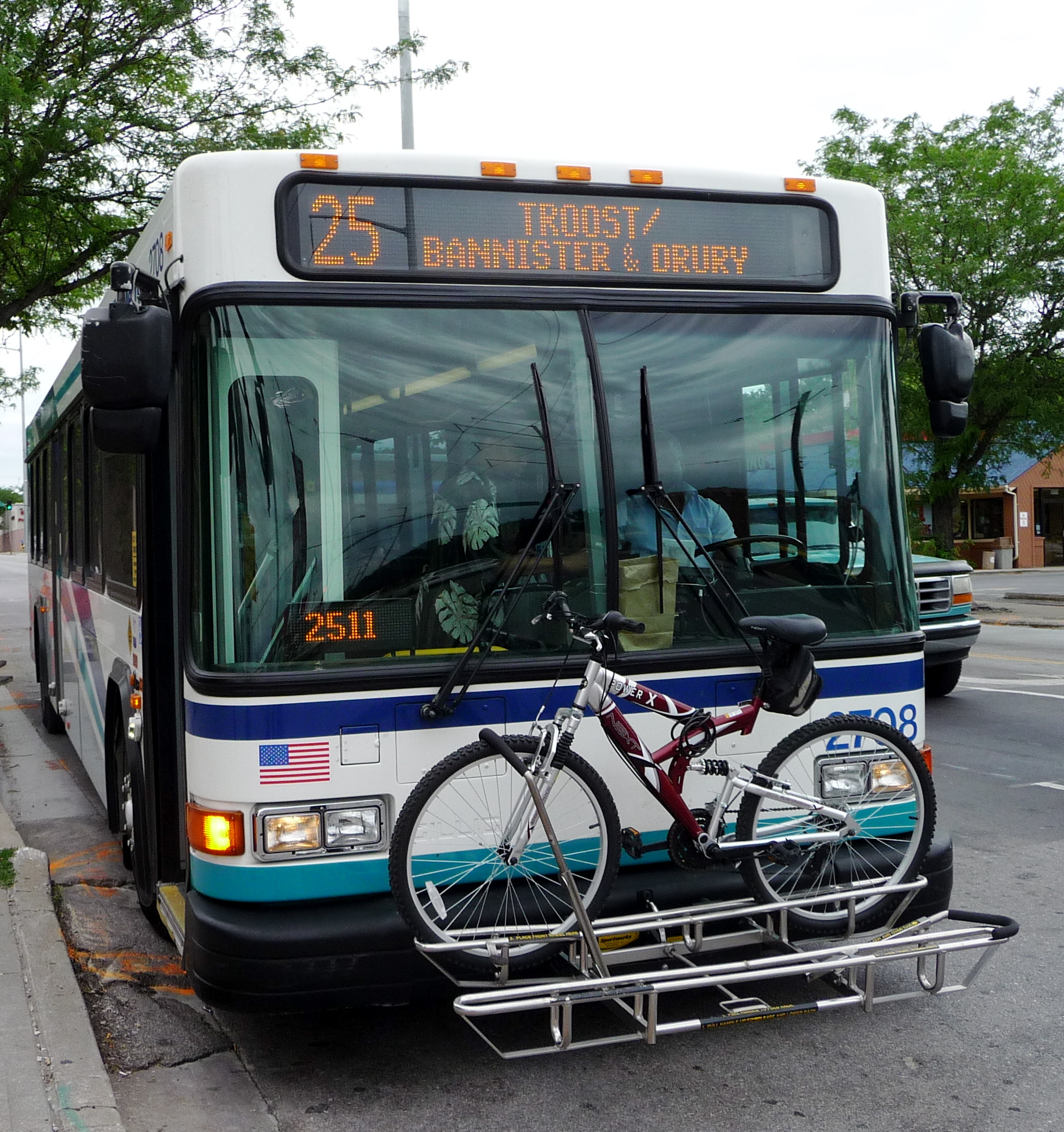
Bus and Bike

Need help finding your personal transportation routes combining buses and bikes? When is it better to wait for the next bus and when is it better ride?

Eric Bunch, Director of Education, at BikeWalkKC is offering a free public workshop to give you the skills and knowledge to plan your local bus/bike trips.

Google Trip Planner doesn’t allow a user to unlock the full potential of combining modes like bus and bike. The only way to know is by getting out the transit map and learning the routes.

The class will look at the regional bus routes and the MARC bike map and help each participant chart their commute or other transportation needs using these modes.

January 10, 6:00-8:00 PM
Tony Aguirre Community Center
2050 W. Pennway Terrace, KCMO

Link to the registration and information page:

http://bikewalkkc.org/civicrm/event/info?reset=1&id=107

Posted in Events, Local Transit Issues, Regional Transit Issue | Tagged: , , | Leave a Comment »

Independence Transit Committee Recommends First Transit

Posted by Transit Action Network on December 22, 2011


In a move characterized as a “new integrated transit system,” the Independence City Council Transit Committee recommended First Transit to operate their intra-city (local) routes beginning Monday, July 2, 2012.  KCATA would continue to operate inter-city routes.  Final action by the full City Council is anticipated in January 2012.

The committee’s recommendation is to:

(1) contract with KCATA to continue certain current services including inter-city and commuter bus routes (Routes 24 and 24x), paratransit service (Share-A-Fare) for inter-city and eligible intra-city trips, grant filings and FTA reporting, and regional transit information center operations

(2) contract with First Transit to provide local fixed route and deviated fixed route service, paratransit service for intra-city trips, and senior transportation service (Dial-A-Ride). First Transit is the contract operator for Johnson County Transit.

Independence says its revised transit plan will provide a 40% increase in service area, 32 additional miles of routes, and a 30 percent increase in hours of operation. Local service will be provided using specially designed new buses, tentatively branded “IndeBus.” Waiting times between buses will increase on some routes due to extending the length of the route without adding additional buses.

Independence expects coordinated scheduling between the two systems to minimize waiting times. Fares will be the same for both systems and Independence expects to work out an agreement with KCATA so there will not be a fare impact on the riders using passes or transfers.

Still unresolved are some funding issues, including how much federal “formula” money Independence will receive as pass-through from the KCATA allocation. Independence will presumably qualify for federal funds related to routes operated by KCATA, but regulations related to employee protections under Section 13(c) of Federal Transit Law could make it difficult or even illegal to use federal formula funds for the Independence local routes (see previous article). This issue — how much federal money will be passed through to Independence — could significantly change the transit funding situation in Independence. Discussions and legal research are ongoing between and among Independence, KCATA, the FTA, the Amalgamated Transit Union, and MARC.

A publicity campaign is planned to start in April, including public meetings, route maps, publication in the Independence newsletter CityScene and information on City 7, the public access cable channel. Bus stop and schedule signs will be replaced and First Transit will work with the businesses in the new service areas for locating stops.

Although its total cost of transit service will rise slightly, Independence expects ridership to increase at least 15% with the increased route coverage. In addition, the City plans to seek grants to supplement money from its General Fund.

Posted in Local Transit Issues, Regional Transit Issue, Seamless Transit | Tagged: , | 1 Comment »

Independence Ponders Transit Options

Posted by Transit Action Network on December 6, 2011


In August, 2011, Independence issued a Request for Proposals (RFP) to operate their local transit routes and local para-transit service, Dial-A-Ride. The local or “intra-city” routes are currently operated by KCATA and are the routes identified by colors as well as numbers. The inter-city routes connecting Independence with Kansas City would continue to be operated by KCATA.

Independence redesigned its local routes to cover more miles and extend service hours. Of course, longer routes without adding more buses means the time between buses increases, which creates longer waiting times for riders.  So service miles and service hours may increase but service level will decrease. Independence also wants to “brand” its buses with a unique Independence design. (Prototype of branded buses from the RFP  Inde Bus)

Several proposals were received, and in October the city staff made a preliminary recommendation to the City Council Transit Committee. They recommended First Transit over KCATA as operator for the local routes.  The Transit Committee recommendation to the full City Council is planned in December because a final decision has to be made by February 1, 2012, in order to implement the desired changes by July 1, 2012.

Transit Action Network understands and appreciates the financial realities Independence faces to maintain transit service for its residents, as well as its right to contract for the most cost-effective transit service. The Independence budget for transit comes out of general revenue. Independence does not have dedicated transit funding like Kansas City, nor do they have taxing authority from the state to even ask for a dedicated transit tax. Their ½ cent transportation sales tax is all used for streets. Like most Eastern Jackson County municipalities, Independence has been waiting for the county to get involved in funding transit.  County transit funding was the original promise of the regional “Smart Moves” transit concept nearly a decade ago.  But county funding hasn’t materialized yet, and general revenue has declined as costs continued to rise, and something had to give. Independence has assured TAN that its goal is to provide the best transit service they can.

Several snags have arisen, however. The biggest one deals with the allocation of federal “formula” funds for transit in this region. As the Congressionally created transit authority for the Kansas City region, KCATA is the federally designated recipient of federal formula funds, and that means KCATA decides how this money is to be allocated around the region. Legally they do not have to allocate any funds to municipalities that don’t contract with them, but historically KCATA has allocated funds to other operators, such as Johnson County Transit, a well as the municipalities that contract with them. The current annual federal formula fund allocation is approximately $15 million, but may decrease based on Congressional action. Independence believes it has a right to a share of this money, even if it goes with a private contractor.

Even if the KCATA Board wants to continue to allocate a share of the federal formula funds to Independence, it may be illegal if they contract with a private operator.  This issue arises because federal transit law has a section that protects transit employees who are affected by federal transit funding. If Independence changes to a private operator there could be a negative impact on public transit workers. Based on the current allocation of money, this law (Section 13(c)) could lose Independence $600,000.  All parties have their lawyers looking into the implications of Section 13(c).

Another big issue is the effect on the para-transit riders in Independence if a different operator gets the contact for the intra-city routes. TAN is concerned that para-transit users wanting to go between Independence and Kansas City would have more transfers and higher costs if KCATA does not operate the intra-city routes. If Independence para-transit riders have to use both the Independence Dial-A-Ride and KCATA Share-A-Fare services for the same trip, the cost would double from $4 for the round trip to $8. Independence City Manager Robert Heacock said that Independence could consider picking up the additional cost for para-transit riders needing to go to KCMO. At an average of 12,000 rides to the city per year, this could amount to an additional cost of $48,000 for the city, but the inconvenience for riders would still be present.

Most important, TAN has significant concerns about the impact another operator could have on all transit riders. Unless Independence gives careful attention to “seamless transit” principles, adding another transit provider could cause complexity, confusion and additional cost for riders, and that would both inhibit ridership and limit access to opportunities throughout the region, while undermining the goal of a truly regional transit system. We have discussed our concerns regarding seamless transit with elected officials including Council member Gragg, Chair of the Transit Committee, and with City staff.

What is “Seamless Transit?”  It’s the term being used in a regional effort to make transit easier to use, thereby building ridership and enabling more people to have access to opportunities throughout the region.  Seamless transit is achieved by meeting basic rider expectations and eliminating the impact of multiple transit operators on the transit experience.

Some of the seamless expectations that TAN has discussed with Independence include:

1.  A uniform fare structure, and transfer and pass reciprocity. Independence has assured TAN that they will use the same fare structure and compatible fareboxes as KCATA so that transfers and monthly passes are accepted on both systems. They have told us they could do an allocation of revenue between the two systems at the end of the month for passes, although the details haven’t been discussed, since an operator hasn’t been chosen.

2.  Good connectivity between the two systems is another concern. TAN has been told schedules will be adjusted to co-ordinate transfer locations and schedule times so inter-system connections can be made effectively.

3.  Currently riders only have to make one phone call to get transit information. They can use Google transit to do online trip planning, and with GPS on all the current buses, real-time information is becoming available via cell phone or mobile device. TAN has asked that these seamless communication features be available to Independence riders if there is a change in operators, but has not been given any reassurances .

To get more details of the planned route changes or read the minutes of the meetings visit the Independence City Council Transit Committee website

Seamless transit issues between JCT and KCATA prompted TAN to get the MARC Transit Committee to form a Seamless Transit Work Group last year. (TAN’s Seamless Transit In the Kansas City Region document) Now many of the same issues will need to be addressed with Independence if it changes operators for its intra-city routes.

Posted in Local Transit Issues, Regional Transit Issue, Seamless Transit | Tagged: , | Leave a Comment »

Comment on Jackson County Commuter Corridors Alternatives Analysis and Watch Video of the Open House

Posted by Transit Action Network on December 2, 2011


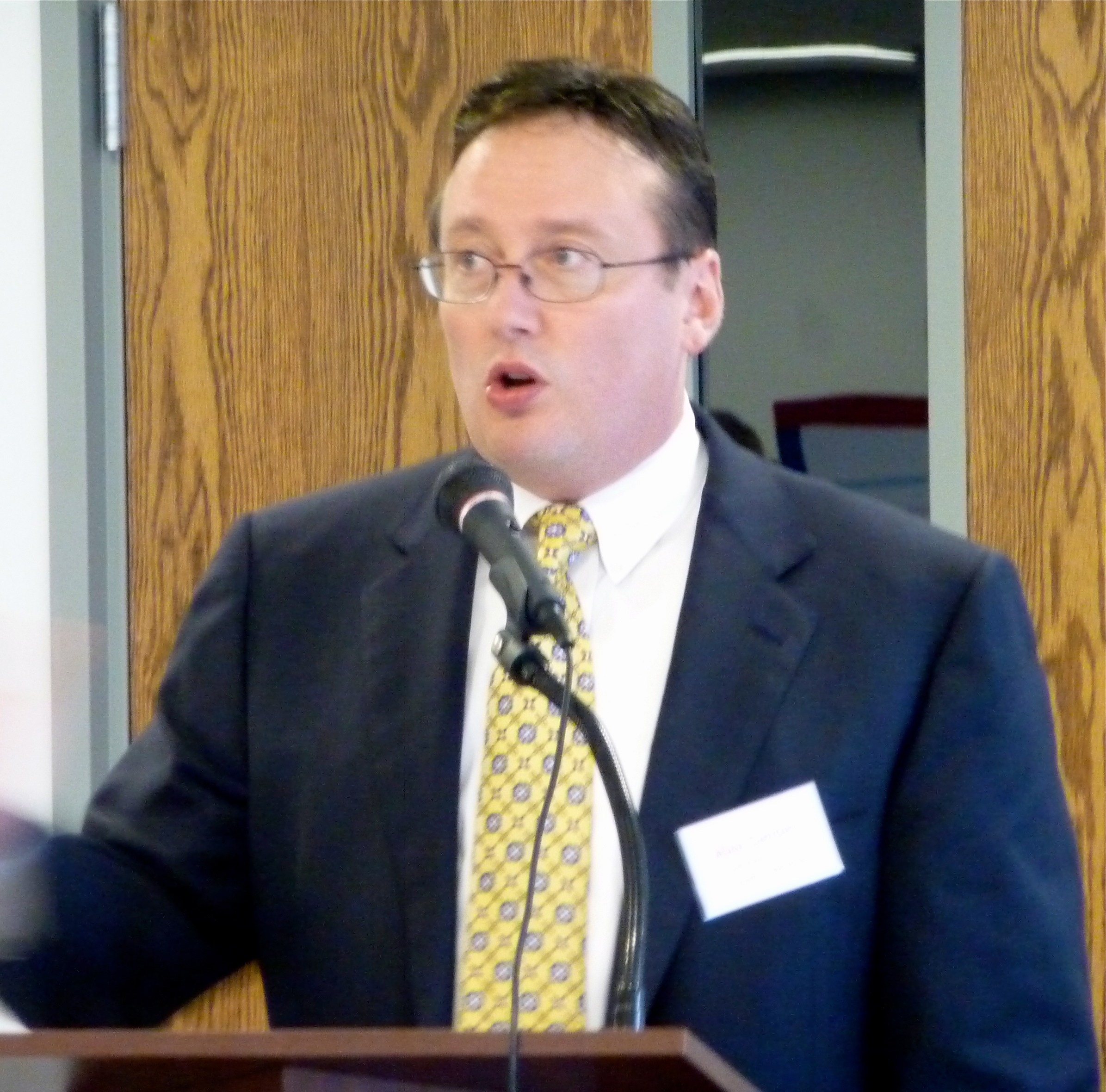
The second open house for the Jackson County Commuter Corridors Alternatives Analysis was held this week. The meetings in Lee’s Summit, Blue Springs and Kansas City, consisted of displays explaining the project, process and alternatives. Project consultants answered questions and explained the project. On Wednesday Nov 29th at the Gamber Center,  a welcome from Lee’s Summit Mayor Rhoads was followed by presentations from Jackson County Executive Mike Sanders and Project Leader Shawn Dikes of Parsons Brinckerhoff.

The project team is moving from the first stage, Tier One, to the more quantitative stage, Tier Two. Some of the original alternatives have been eliminated and two new alternatives have been added that include additional rail options.

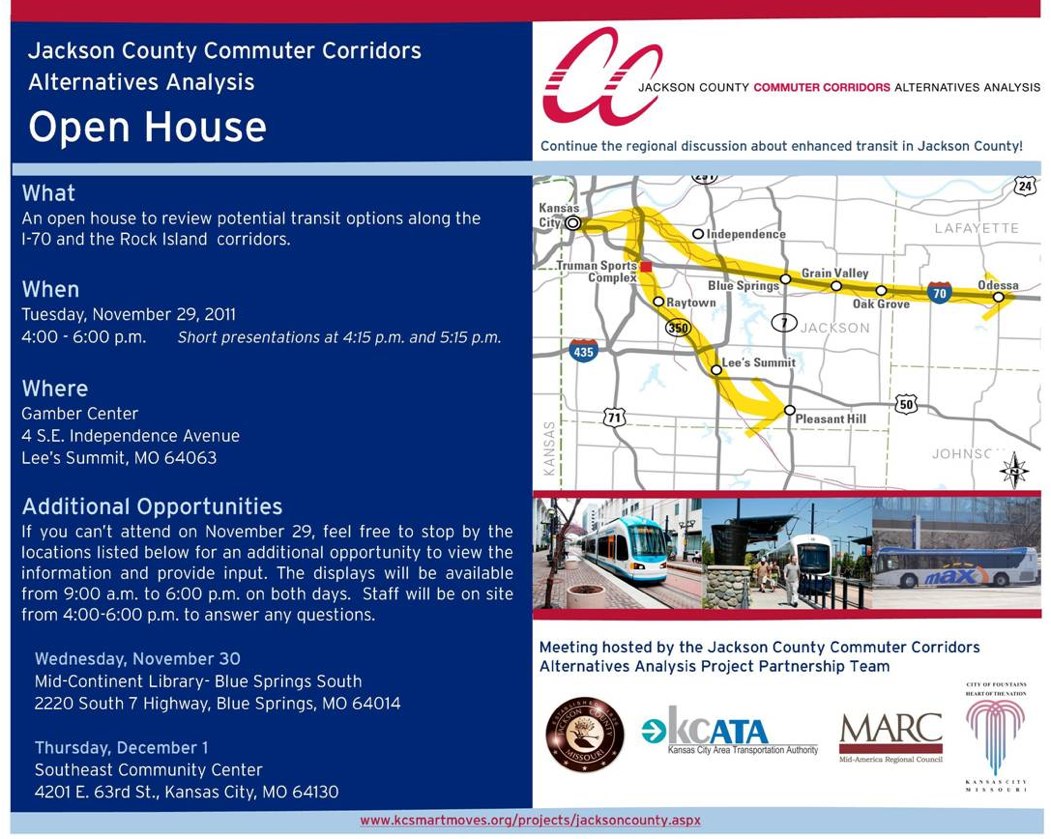
The purpose of the open house is to gather public input. Read the open house handout explaining the alternatives that are advancing to Tier Two JCCCAA-Open-House-Handout-Nov2011, then view the display boards from the meeting for more information. JCCCAA-Open-House-Display-Boards-Nov2011

After viewing the project materials please go to the project website and make your comments.

There was an excellent turnout for the main meeting. Watch portions of the presentations on TAN’s first video.

http://vimeo.com/33047816

Posted in Action, Events, Local Transit Issues, Rail, Regional Transit Issue, Transit Studies | Tagged: , , , | Leave a Comment »

Open House #2 Nov 29, 30 & Dec 1- Jackson County Commuter Corridor Alternatives Analysis

Posted by Transit Action Network on November 23, 2011


Don’t miss the second open house for the Jackson County Commuter Corridors Alternatives Analysis. There are opportunities in Lee’s Summit, Blue Springs, and Kansas City to view and comment on the alternatives considered for advancement to the Tier Two Screening. There are significant changes from the first open house and some new alternatives. Study website

Tier 2 Screening: This screening ultimately will result in the selection of a single Locally Preferred Alternative (LPA) defined in terms of mode and general alignment. Tier 2 Screening will evaluate the short list of full corridor alternatives at a level of detail sufficient for local decision-makers to select a LPA. The Tier 2 screening will rely on the travel demand forecasting model and limited conceptual engineering focusing on capital, operating and maintenance costs.

Invitation to JCCCAA 2nd open house

y

Posted in Events, Local Transit Issues, Rail, Transit Studies | Tagged: , , | Leave a Comment »

KCATA – Public Forums On Route Recommendations November 2011

Posted by Transit Action Network on October 31, 2011


The Kansas City Area Transportation Authority (KCATA) has service change recommendations on more than 50 Metro bus routes. They want to improve service, meet ridership demands and operate more efficiently using existing resources.

Customer participation is important in developing the final route recommendations. KCATA is hosting a series of public forums on the potential service changes to gain additional input. The forums will be an opportunity for customers to learn more about the service changes, provide comments about the proposed changes, and further discuss the recommendations one-on-one with KCATA staff. Service changes are scheduled to begin in April 2012 and will be phased in throughout 2012.

Public forum schedule: 
Wednesday, Nov. 9, 4 to 6:30 p.m., Plaza KCMO Library, 4800 Main St., Cohen Center

Thursday, Nov. 10, 11 a.m. to 2 p.m., Central KCMO Library, 14 W. 10th St., Multi-Purpose Room

Thursday, Nov. 10, 4 to 6:30 p.m., Salvation Army, 5306 N. Oak Trafficway

Tuesday, Nov. 15, 4 to 6:30 p.m., Northeast Branch KC Library, 6000 Wilson

Wednesday, Nov. 16, 4 to 6:30 p.m., Watkins Cultural Heritage Center, 3700 Blue Parkway

Thursday, Nov. 17, 4 to 6:30 p.m., Canaan Worship Center, 5333 Bannister Rd., Fellowship Hall

Saturday, Nov. 19, 11 a.m. to 1:30 p.m. KCATA, 1200 E. 18th St., Breen Building, Lobby

Additional information, including the recommended changes, are available on the KCATA Website. Click here to submit online comments.

Posted in Events, Local Transit Issues | Tagged: | 2 Comments »

Final Open House-See Designs for State Avenue “Connex” Transit Corridor – Oct 20

Posted by Transit Action Network on October 13, 2011


The Kansas City Area Transportation Authority and Unified Government Transit of Wyandotte County/Kansas City, Kan., are hosting the final open house for the public to review the detailed improvement plans for the “Connex” transit corridor. Displays will provide information about the overall design of the corridor, plus specific plans for two new MetroCenters: Midtown KCK (47th and State Ave.) and Downtown KCK (7th and Minnesota Ave.). This major east-west route connects the city’s revitalized urban core to new development occurring in the Village West area.

Detailed plans for enhanced transit amenities and pedestrian infrastructure in the State Avenue corridor of Kansas City, Kan., will be on display.

When: 3:30–6 p.m. on Oct. 20

Where: St. Patrick Catholic Church Parish Hall, 1086 N. 94th St., Kansas City, KS 66112

Link to more information about the improvements on the KCATA website

The Kansas City Regional TIGER Grant is funding $10.3 million in transit improvements along State Avenue in Kansas City, Kan. The Transit Center and Corridor Transit Station Improvements are scheduled for completion 3rd quarter 2012.

Posted in Events, Local Transit Issues, Transit Studies | Tagged: , | Leave a Comment »

So Many Alternatives to Evaluate in Jackson County!

Posted by Transit Action Network on October 13, 2011


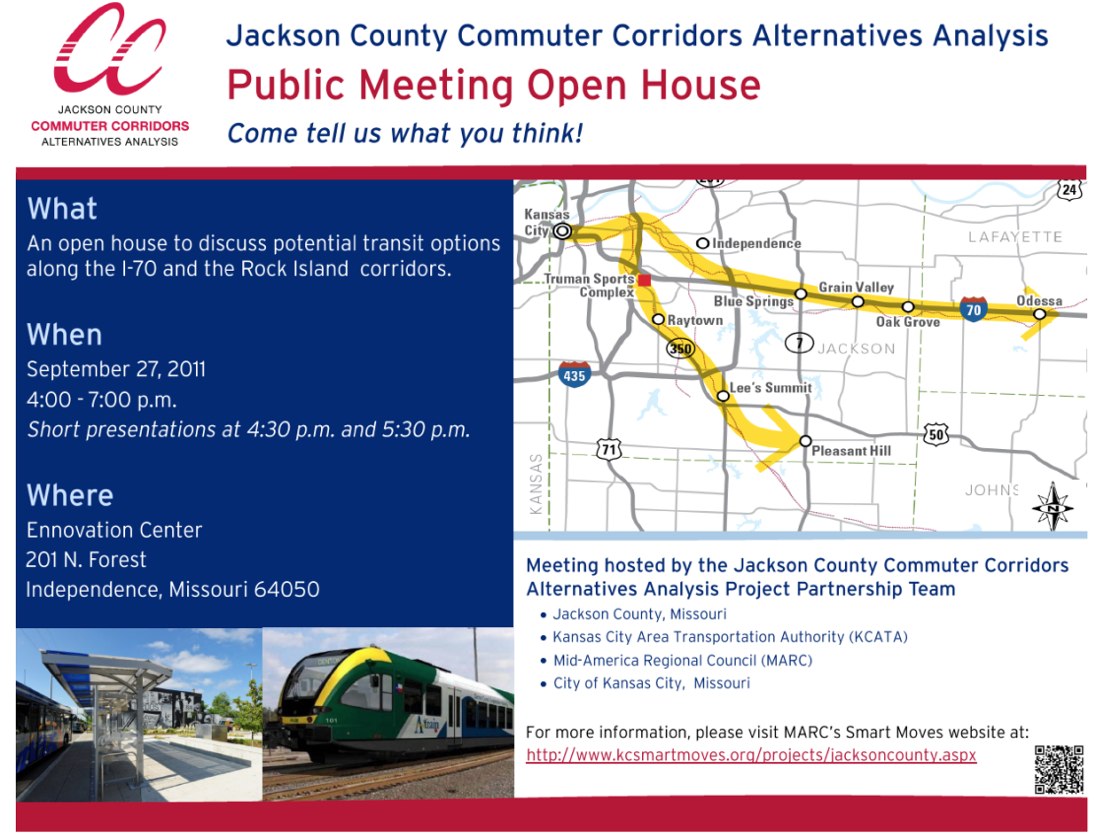
The Jackson County Commuter Corridors Alternatives Analysis is studying six different alternatives to find the best option to improve transit from Eastern Jackson County into downtown Kansas City.  The commuter corridors under consideration are east along the I-70 corridor to Oak Grove and southeast along the old Rock Island Corridor possibly all the way to Pleasant Hill.
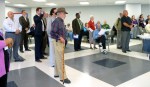
JCCCAA Open House-Independence

The Federal Transit Administration requires the study look at different alternatives to find the best and most cost-effective solution in a corridor. At the first open house the project team presented each alternative with descriptions and maps. They published the JCCCAA_Open_House_Booklet_092711 with these details.

The study is guided by FTA standards and will evaluate and compare the alternatives for mobility improvements, user benefits, operating efficiencies, cost effectiveness, ridership numbers, capital and operating costs, existing transit supportive land-use, and economic development effects. Economic development effects are evaluated based on transit supportive plans and policies and the actual performance of the land use policies as well as the potential impact of the project on regional land use.  Transit supportive plans and policies include factors such as growth management, transit supportive corridor policies, supportive zoning regulations near stations and tools to implement land use policies.

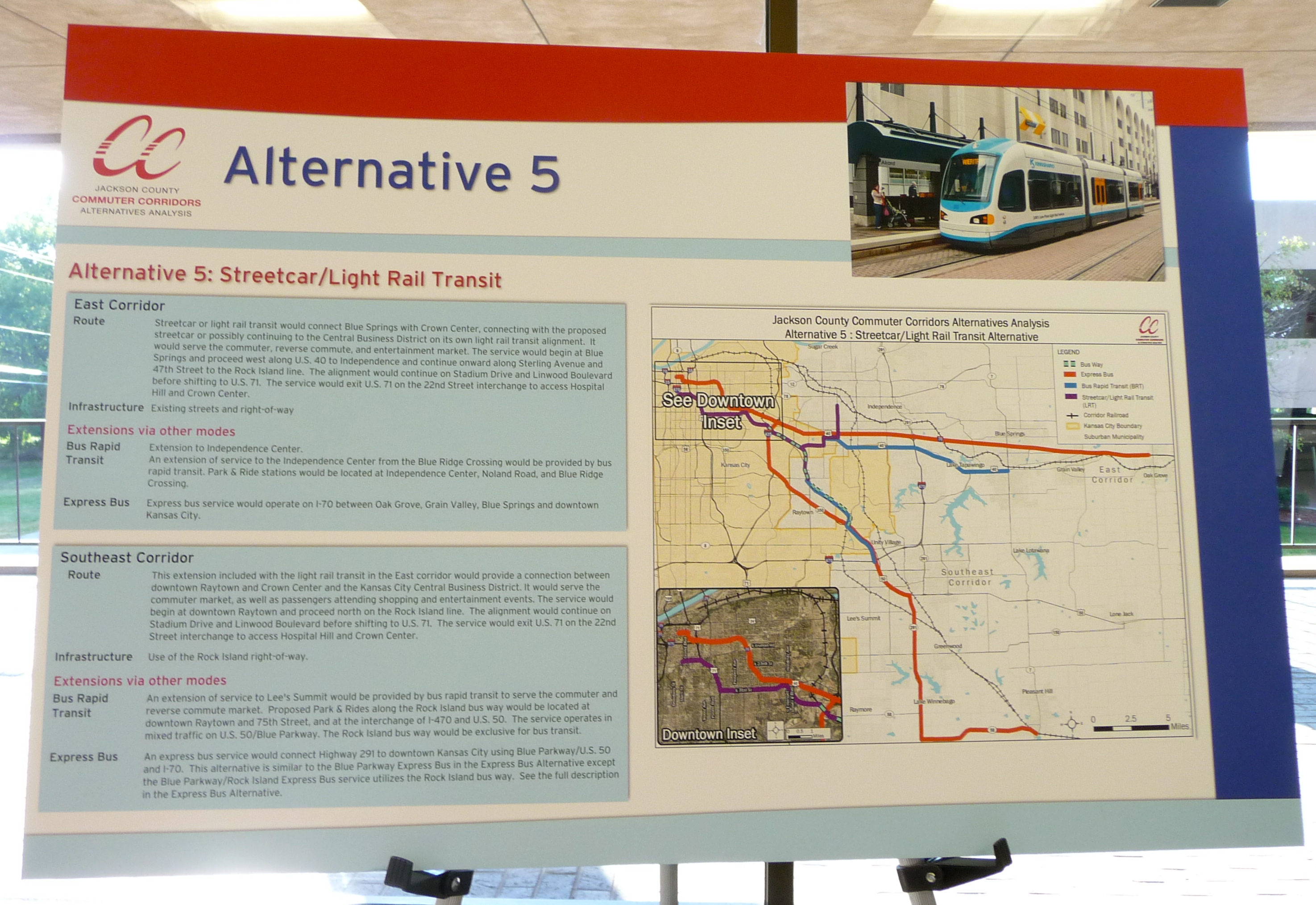
Here are the basic alternatives under consideration. The streetcar/light rail description in the booklet of the Alternative 5 eastern corridor is incorrect. It is a spur into Independence. The map is correct.

Alternative 1 is the baseline alternative for comparison. This is a  “No Build” scenario with minimum investment.

Display board for one of the alternatives

Alternative 2 is Transportation System Management to improve operating efficiency of current systems without adding capacity on the highways or making major capital improvements to the transit system. This could include improvements to the Scout System, improvements to the transit system already identified in the KCATA Comprehensive Service  Analysis, and expansion of Transportation Demand Management/ridesharing programs. TAN feels that many of these ideas should be implemented regardless of the other outcomes in the study since they can be done in the near term with relatively small financial outlays and noticeable improvements to the management of the corridors for all transportation modes, including cars.
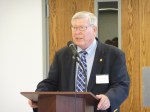
Independence Mayor Reimal

Alternative 3 is an Enhanced Express Bus to Oak Grove and Pleasant Hill via the current highway system. There is the possibility of using Bus on Shoulder on I-70 between I-470 and the Kansas City Central Business District sometime in the future.

Alternatives 4 and 5 basically build on Alternative 3 by adding Bus Rapid Transit (BRT) on US 40 and the Rock Island corridor, then adding a streetcar/light rail line from Crown Center that has two spurs, one to Independence and one to Raytown.  In these versions, the southeastern corridor uses the Rock Island corridor as a fixed guideway for the Enhanced Express Bus as well as the BRT.

One of the alternatives 3, 4 or 5 may be the preferred alternative if Regional Rapid Rail isn’t competitive in the analysis.

Alternative 6 is the Regional Rapid Rail system. There are three variations to the route provided, but the Truman Road route has been discussed the most. This system uses underutilized rail in the suburbs but requires new rail in multiple sections including the last seven miles into downtown. The eastern corridor uses the KC Southern line to Noland Road then requires new rail to cut over to the Truman Sports Complex. The southeastern corridor uses the old Rock Island line to just west of the Truman Sports Complex at US40. The Rock Island Corridor has not been used for almost 40 years, so it will be interesting to find out how much renovation is needed to return the line to safe operating condition.

Jackson County Executive Mike Sanders

Study participants from Parsons Brinckerhoff, Shockey Consulting and MARC

Both lines converge just east of the sports complex. There is discussion of a station south of the Chiefs south parking lot, what is currently the wooded area past entrance 3 to the Chiefs parking lot. A train viaduct can be seen as it crosses Blue Ridge Cuttoff just north of Raytown Road.

The two routes use a Common Line into downtown.  The last seven miles of the Common Line, after Leeds Junction by US 40, is on new tracks and often runs on city streets. According to the MARC corridor study in 2010, anytime the DMU (Diesel Multiple Unit) vehicle travels on the streets it will have a maximum speed of 25 mph.  It goes north in the vicinity of 18th and Topping to Truman Road west of Jackson Avenue, and travels on Truman Road at a maximum speed of 25 mph. It turns south on Cherry to 20th where it turns west to arrive north of Union Station in the Freight House district close to Jack Stack Bar-B-Que.  This area is on the old KC Star storage track.  TAN still has many outstanding concerns about this alternative as expressed in an earlier article related to last year’s corridor study.

There are two other versions of this alternative. One has the eastern route stay on the KCS line until 23rd street and skips the Sports Complex. The 23rd street route runs down the center of the street at a maximum speed of 25 mph and connects with the Common Line at I-435. The other variation has both routes connecting at the Sports Complex, and traveling along the Common Line but cross Truman Road and follows the Kansas City Terminal and then the “trench embankment” into the Freight House district north of Union Station.

TAN is waiting on the project team to provide more details about the routes as they proceed in the study. Some sections of the routes are still vague, but that is normal since the study just started and the team needs time to find the best options.

The project team held three open house sessions the last week of September, Independence, Raytown and Union Station, to explain and discuss the “Purpose and Needs” statement for the project and show the public the proposed alternatives. There was an excellent turnout. Three additional public meetings are planned in November 2011, January 2012 and March 2012.  Visit the study’s website for more information.

Project Leader Shawn Dikes

In Independence, Jackson County Executive Mike Sanders spoke about the need to plan ahead for future transit needs. He also made the point that even if you personally don’t use transit many of the people you interact with do, so you still need transit. Parsons Brinckerhoff Project Manager Shawn Dikes had a PowerPoint presentation to explain the study. See his presentation JCCCAA-Open-House-Presentation-Sept2011

This study is costing $1.2 million. MARC plans to add the study for the US71/Grandview corridor to this study. Jackson County has already received $652,200 to do that study plus MARC has applied for another $1.2 million for the US71 corridor and hopes all these studies can be combined.

TAN feels very strongly that the region needs to implement the best alternative from this study, whether it is Enhanced Express Bus, BRT, Streetcar/Light Rail, Regional Rapid Rail  or a combination.  If we are going to spend this amount of money on studies then it is our responsibility, to the best of our ability, to implement the recommendations that come out of them.

Posted in Local Transit Issues, Meeting Reports, Rail, Transit Studies | Tagged: , , | Leave a Comment »

First Open House – SEPT 27- Jackson County Commuter Corridors Alternatives Analysis

Posted by Transit Action Network on September 22, 2011


The first open house for the JCCCAA will be September 27 at the Ennovation Center, 201 N. Forest, Independence from 4 pm to 7 pm. Jackson County Executive Mike Sanders and the Parsons Brinckerhoff Project Manager Shawn Dikes will give short presentations at 4:30 pm and 5:30 pm. Be there to see maps of the alternatives under consideration for upgrades to commuter transit service from eastern Jackson County (and beyond) into downtown Kansas City in the I-70 Corridor and the Rock Island corridor.


There are two additional opportunities for public comment. The project boards from the open house will be displayed at key locations in the corridors from 9 a.m. to 7 p.m.  Project partnership and consultant team staff will be on hand to answer questions from 5 to 7 p.m.  These additional meetings will take place according to the following schedule.

Posted in Events, Local Transit Issues, Rail, Regional Transit Issue, Transit Studies | Tagged: , , | Leave a Comment »

Main vs. Grand? Streetcar vs. Bus? Final Open House!

Posted by Transit Action Network on September 15, 2011


The Partnership Team for the Downtown Corridor Alternatives Analysis (AA) is getting ready to announce the recommended route (Grand Blvd. or Main St.) and type of service (streetcar or bus) for a downtown starter line from the River Market to Crown Center.  Find out about the purpose of the study  and the decision-making  process used to arrive at these recommendations at the third and final open house. A general strategy to fund construction, operation, and maintenance of the starter line will be presented too.

Third and final public open house

When: Tuesday, Sept. 20, 2011, from 4 to 6:30 p.m.

Where: In the atrium of the Steamboat Arabia Museum (in the River Market)

400 Grand Blvd, Kansas City, Mo.

No formal presentations will be given.

View the news release. http://www.kcsmartmoves.org/news/2011-09-08_dcaa_third_open_house.aspx

Posted in Events, Local Transit Issues, Rail, Transit Studies | Tagged: , | Leave a Comment »

KCATA Invites Comments on Proposed 2012 Route Changes

Posted by Transit Action Network on September 13, 2011


KCATA is proposing changes to transit service in Kansas City, Mo. The goal, according to the Metro, is to provide the most efficient service while holding the line on costs and not increasing the their budget.

Route changes for more than 50 routes serving Kansas City, Mo. have been released for public review and comment.  Phased implementation will begin as early as April, 2012.

These proposals are a result of a Comprehensive Service Analysis, or CSA, performed by transit consulting firm Nelson Nygaard of Boston.

We encourage you to review the proposed changes.

There are several ways to comment:

  • Online Form: www.kcata.org/metro2012
  • Mail: KCATA, Planning Dept., 1200 E. 18th St., Kansas City, MO 64108
  • Phone: 816-346-0300 (leave comment on prerecorded line)
  • Email: metro2012@kcata.org
  • Public Meetings: To be scheduled this fall. Meetings will be announced on the KCATA website, in passenger bulletins and on TAN’s website.

Once comments are received, schedules will be designed to improve reliability, provide more direct service and better match demand.  “One of the goals of the CSA is to make riding transit more attractive by designing service that is more intuitive and rider-friendly,” says a KCATA news release.

For further perspective, view a presentation about the proposed changes made to the KCATA Board of Commissioners in August.  It gives an overview of the CSA process.

Presentation of Proposed Route Changes 2012

TAN is reviewing the proposed changes and will be submitting comments.

Many of the changes look really good to us.  Here are some of our initial impressions:

  • Providing service to KCI between 5:30 am and 11:00 pm, seven days a week, will be a great improvement.  Seven-day service to the airport is of enormous symbolic importance.
  • We didn’t see indication that Main Street MAX would be straightened through Downtown, or that Plaza-only trips would be extended to 51st Street in order to better serve UMKC and the Plaza Library.
  • Elimination of Route 57 means there will be no local stops on Main between the Plaza and Downtown.  That might be a problem.
  • Service changes proposed for the area west of Main Street appear complicated and deserve careful review.
  • Service changes proposed for the Northland are, likewise, complicated and deserve careful review.
  • It’s a small thing, but we especially like the emphasis on “clockface headways.”  This means buses would be scheduled to come past each stop at regular intervals — every 10, 15, 20, 30, or 60 minutes.  Thus, for example, you’d be able to count on a bus at 17 and 47 minutes past the hour.  (Night service at the 10th and Main Transit Center already works this way — after 6:30 pm, buses on 10 or more routes depart shortly after 10 and 40 minutes past the hour.)

One last very important point:  Proposed route changes may make transit a little less convenient for some people, but it’s also likely that the change will make transit a more viable option for even more people.  That’s what’s really important.

Posted in Action, Local Transit Issues | Tagged: | 2 Comments »

New ID Card Puts Transit in UMKC Student Pockets

Posted by Transit Action Network on September 10, 2011


After years of discussion, UMKC students now enjoy public transit as part of their activity fee.

UMKC students who are currently enrolled and have a NEW “One Card” student ID have full access to MAX and other Metro bus routes.  Students just “swipe” their One Card through the farebox and ride in style.

Students voted last spring that all students would pay an additional $14 per term to get full access to the KCATA transit system. What’s more, the spring term card is good all summer, so the cost is only $28 dollars a year.

UMKC  is served by both Troost MAX and Main Street MAX, routes that have the highest level of service in the entire region. It’s less than a month into the program and already students are using their cards nearly 1,000 times a day, far more than projected.

To TAN’s surprise and pleasure, KCATA included access to its premium express routes from the suburbs. The Blue Springs, Lee’s Summit and Liberty routes are normally $3 each way, but the pass is also valid on these KCATA routes.

KCATA has posted a UMKC New Rider Starter Kit  on it’s website. The best part though is the link to a YouTube video the students made about the new service. We should all have that much energy! We do have that much enthusiasm for transit and the possibilities and options it provides: savings for students, plus a boost in ridership for The Metro.

Posted in Local Transit Issues, Regional Transit Issue | Tagged: | Leave a Comment »

State Ave. Connex Open House-AUG 10

Posted by Transit Action Network on August 6, 2011


Attend the second open house for the State Avenue Connex Transit Improvement Project and learn about the exciting transit improvements being made.

Where: Unified Government Neighborhood Resource Center (4601 State Avenue, Suite 84) in Kansas City, KS. The center is located in the lower level of Indian Springs Mall. Access is available from the southeast entrance.  (Route information to the open house)

When: 3 to 5:30 p.m. on Wednesday, August 10, 2011

More than $10 million in transit improvements are being made on the Minnesota/State Avenue route in Kansas City, Kansas.  Over the next two years commuters will benefit from the enhancements on this major east-west route in Wyandotte County. State Avenue links jobs, neighborhoods and activity centers from Kansas City’s urban core to newer development in the Village West area. These improvements are being paid for through the federal government TIGER grant.

For more route information and schedules, log on to http://www.kcata.org or call 816-221-0660 from 6 a.m. to 7 p.m. on weekdays.

Questions?

Keith Sanders, Project Manager
Kansas City Area Transportation Authority
816-346-0359
ksanders@kcata.org
http://www.kcata.org

Emerick Cross, Interim Transit Manager
Unified Government Transit
913-573-6784
ecross@wycokck.org
http://www.wycokck.org

Posted in Events, Local Transit Issues | Tagged: | Leave a Comment »

Please Comment on the Downtown Corridor (Streetcar) Alternatives Analysis

Posted by Transit Action Network on June 28, 2011


More than 100 people attended the first open house for the Downtown Corridor Alternatives Analysis. However if you missed the open house you can still see the presentation and the maps, and include your comments about the study.

See the first presentation  DCAA Overview-Presentation1

These are the various alignment alternatives being considered for the streetcar.

A.”Bi-directional” options – both tracks running north and south on a single street.

Grand Avenue

Walnut Street

Main Street

Baltimore Avenue

A reason to use single streets is expressed in the Nelson/Nygaard Comprehensive Service Analysis currently underway for the KCATA bus system.

“Routes should operate along the same alignment in both directions to make it easy for riders to know how to return to their location of trip origin. All routes should operate along the same alignment in both directions, except in cases where such operation is not possible due to one-way streets or turn restrictions.”

B. “Couplet” options – one direction runs on one street while the other direction runs on an adjacent street. All couplet options contain streets that are currently configured for two-way auto traffic (in whole or just sections).

Grand/Walnut Couplet

Main/Walnut Couplet

Main/Baltimore Couplet

A reason to use couplets, when not necessary due to street constraints, is for the potential of greater economic development. Many people see rail as an engine of economic development and if the route is split onto two streets then it may generate additional development.

South of 20th Street, all streetcars run on Main or Grand. Baltimore options divert to Main at 10th Street. The River Market is a large loop in all scenarios.

View the maps for the various alignments. DCAA-Alignment-Alternatives-Map

COMMENT FORM: Be sure to fill out a comment form about the plan.

Visit KCSmartMoves to keep up-to-date with the study.

Posted in Action, Local Transit Issues, Rail, Transit Studies | Tagged: , | Leave a Comment »

KCATA Board to Consider Draft Transit Service Guidelines

Posted by Transit Action Network on June 19, 2011


As part of its Comprehensive Service Analysis (CSA), KCATA and the Nelson Nygaard team have developed proposed service guidelines for KCATA “Metro” transit services.  This is a draft report and subject to change, yet it is developed to the point that the study team is presenting it to the Board of Commissioners on June 22.

From the Board Briefing:

The service guidelines are intended to aid KCATA in designing route service, setting appropriate service levels, establishing minimum levels of service performance, and continuously evaluating route performance.   

In the context of the CSA, the proposed service guidelines will also serve as a primary tool in developing recommended service plans and educating riders and stakeholders about the plan and route design principles.

At the June 22 KCATA Board Meeting staff will provide an overview of the draft transit service guidelines.

In the near future there will be an opportunity for public comment. In the meantime you can read the draft here.  KCATA CSA Draft Transit Service Guidelines June 2011

Posted in Local Transit Issues, Transit Studies | Tagged: | Leave a Comment »

June 21 – First Open House for Downtown Corridor (Streetcar) Alternatives Analysis

Posted by Transit Action Network on June 13, 2011


June 21, 2011: The partnership team for the Downtown Corridor Alternatives Analysis will hold the first public open house to learn about the study and alignment alternatives for a possible starter line. The open house is between 4-6:30 pm in the Helzberg Auditorium at the Central Branch of the Kansas City Public Library at 10th and Main. Short, identical presentations will be given at 4:30 and 5:30 p.m.

Read the news release: Open house scheduled for Downtown Corridor Alternatives Analysis

Comment or RSVP at the FACEBOOK event page: Downtown Corridor Alternatives Analysis Open House #1

The partnership team has set up a Downtown Corridor Alternatives Analysis webpage. Under Study Materials get the FAQ and Fact Sheet #1 which includes a map.

Posted in Events, Local Transit Issues | Tagged: , , | 1 Comment »

June 13 – WHY KC Region Ranked 90th of 100 and What To Do About It

Posted by Transit Action Network on June 8, 2011


The MARC TRANSIT COMMITTEE is sponsoring a Special Forum to present the study and the findings on the Brookings Institution Report

Presenter: Brookings’ co-author Elizabeth Kneebone

When: June 13 at 1:30 pm

Where:  Kauffman Foundation Conference Center, Paseo Room-changed to Town Square Room, 4801 Rockhill Road. Kansas City, Mo 64110

This forum will focus on the report Missed Opportunity: Transit and Jobs in Metropolitan America which ranks the top 100 cities for transit access to jobs. Following the presentation, there will be an open discussion on current transit initiatives and the crafting of a regional response to this report. This meeting is open to the public.

Brookings divided the metro area into the CITY and the SUBURBS. The CITY is defined as both the city of Kansas City and the Unified Government of Wyandotte County. Everything else in the metro is the SUBURBS. Unfortunately the suburbs in their study go so far out that a lot of rural area is included.

The report evaluates the ability of people within ¾ mile of a transit stop or station to get to work in 90 minutes using public transit. Brookings is measuring if transit is even possible to take to work. We don’t fully agree with Brookings approach, for instance many people in the suburbs who live farther than ¾ mile from a transit stop have transit access to work using park and ride lots.

Even with our concerns about the report, it does point out the seriousness of our transit situation. 80% of the CITY has transit coverage but only 25% of the jobs in the metro area are accessible by that transit. The report says only 33% of the suburbs have transit coverage but only 10% of all jobs are reachable by transit in 90 minutes from the suburbs. The overall KC job access rate for the metro area is calculated at 18%.

Of course the biggest question is how will the region use this information to better serve the needs of the community with transit.

TAN doesn’t agree with the Brookings ranking, and we can certainly quibble with their methodology, but we can all agree that our transit-to-jobs situation needs work.  While we don’t have all the answers, we do have some thoughts about tentative actions:

  • Additional funding for transit is needed
  • A set of relevant and objective local measures are needed to track our future progress in making transit available to more people
  • Since it will take more than “throwing money at transit” to achieve these ends, such as providing a transit option to more of the region’s residents for access to jobs and other opportunities, it will take deliberate attention to where future development is located, especially when public incentives are involved.
  • Although there are notable improvements recently, continued efforts are needed between the transit providers to provide a seamless transit experience for riders.

This forum is open to the public and if you are interested in transit please come take part. TAN will be present to make sure we understand WHY we rated so low and to help develop a response.

Multiple comments and criticisms relating to the new transit report are showing up in the media and on the blogs including TAN’s article last week. You may find them interesting reading. One item that seems to drive several bloggers crazy is that New York didn’t come out on top and it was beaten by some small cities. Honolulu came out number one.

Nate Silver’s Five Thirty Eight column in the New York Times

On the Economics of Mass Transit and the Value of Common Sense

Brookings has responded to Nate’s comments with further explanations about the report. New York has a great transit system but not everyone in the suburbs has access which lowered its ranking.

Maintenance on Silver’s Transit Line by Alan Berube and Robert Puentes

Other commentaries

Kaid Benfield on the NRDC staff blog

Warning: transit data may not mean what you think they mean

Richard Layman from Urban Places and Spaces

The weird findings on transit from the recent Brookings Institution

Noah Kazis on Streets Blog

Do 12 American Regions Have Better Transit Access Than NYC? Doubtful.

Alon Levy on Pedestrian Observations

Brookings Folly

Posted in Events, Local Transit Issues, Regional Transit Issue | Tagged: , , , | Leave a Comment »

Upcoming Public Events

Posted by Transit Action Network on May 30, 2011


First Partners Congress on Creating Sustainable Places

MARC is holding the first Partners Congress, to learn more about Creating Sustainable Places and provide your input — through facilitated breakout sessions and electronic polling. Sustainable places require good transit options.

When: Wednesday, June 1, 2011, 9 a.m. – noon, (Registration at 8:30 a.m.)

Where: Jack Reardon Convention Center, 500 Minnesota Ave., Kansas City, KS 66101

Who Should Attend: Anyone from the public or private sector who is interested in creating a more resilient and adaptable region.

Registration: There is no cost to attend, but registration is required. Register online or call 816-701-8234.

Open House for State Avenue Corridor Transit Improvements

 The Kansas City Area Transportation Authority (KCATA) and the Unified Government of Wyandotte County-Kansas City, Ks. (UG), are holding an open house to discuss preliminary design plans for the Minnesota/State Avenue transit corridor.

When: Tuesday, June 7, 2011, 4 p.m. to 6 p.m.

Where: McCarthy Gallery Room, Jack Reardon Convention Center, 500 Minnesota Ave., Kansas City, KS 66101

Who Should Attend: Any area residents, businesses and commuters wanting to review project exhibits and provide comment. KCATA and UG staff, along with consultant design team members, will be on hand to answer questions and discuss issues and/or concerns.

Registration: No registration required.

Posted in Events, Local Transit Issues, Regional Transit Issue | Tagged: , | 1 Comment »