Transit Action Network (TAN)

Advocates for Improved and Expanded Transit in the Kansas City Region.

Posts Tagged ‘Kansas City’

KC Mayoral Transit Forum Day 1-updated

Posted by Transit Action Network on January 31, 2011


Transit Action Network (TAN) is hosting this transit forum to assist voters in making informed decisions regarding candidates’ positions on transit matters for the City of Kansas City and its surrounding Metro area. We will not endorse any candidate through our website or other communication efforts.

All seven of the mayoral candidates were invited to respond to six transit-related questions confronting the city and the metro region. We greatly appreciate the effort and thoughtful answers of the  candidates.

We believe these questions will need to be addressed during the next mayoral term, although they deal with transit issues that have both short-term and long-term time horizons.

Each candidate’s response to one of the questions will be posted on our blog over a six-day period beginning January 31.

Public Comment: TAN is serious about getting improved and expanded transit in the Kansas City Region.  We welcome diverse views on transit that are presented in a civil manner. This is a moderated blog-site and only transit-related comments or questions will be posted.

Question 1. The city council recently passed an ordinance to restore funding to the transit system from the ½ cent transportation fund.

a.    Do you support continued city funding of public transit as an essential city service?  If not, please explain why.

b.    What non-financial actions can be taken to create a more transit friendly Kansas City?

Jim Rowland

Jim Rowland http://jimrowland.com

a) Yes, I support continued municipal funding of public transit as an essential City service.  I supported the move to restore the funding that was being diverted from the KCATA; the diversion of those resources was a betrayal of the people’s trust.

b) We should do everything possible to make the planning and zoning process more friendly towards transit and walkability.  Over the course of the campaign, I have issued two policy papers, “The Open for Business Initiative” and “A Sustainable Future,” that contain fresh ideas on job creation and municipal environmental policy (see Website). I strongly believe that we should incentivize and encourage high density (which is essential to effective transit) and mixed-income, mixed-use neighborhoods (which rely on and contribute to transit use).

Mass transit is the way of the future, but its adoption by Kansas Citians will require a cultural change.  Economic factors will assist in accelerating its acceptance. However, real change will come from when our children use mass transit. A concept such as encouraging students to choose public transit to commute to school and work by including transit passes in tuition fees at a discounted rate should be implemented.
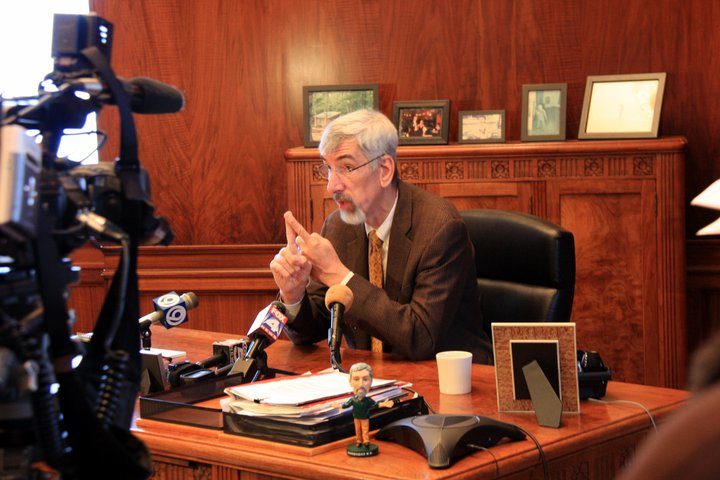
Mayor Mark Funkhouser

Mayor Funkhouser www.reelectmayorfunkhouser.com

a.    Yes, I met representatives from your group and supported the restoration of the ATA funding.

b.    Establish a regional transit NGO, whose major duties include:

1) Raising funds from regional stakeholders for regional transit.

2) Coordinating regional municipalities and non-governmental entities for regional transit.

3) Community outreach and education for an integrated, regional, multi-modal public mass transit system.
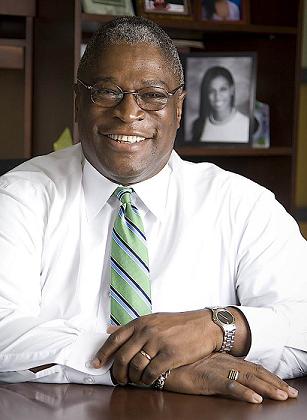
Sly_ James

Sly James www.slyjamesformayor.com

a. I support continued city funding of public transit because I believe it is essential for our city and our citizens.  The fact is, without a quality public transportation system, employees can’t get to work and that hinders our ability to create jobs and grow our city’s economy.

b. To create a more transit friendly city, City Hall needs leadership.  The good news is that leadership is free.  I am a veteran of the U.S. Marines, a small business owner, and a successful mediator and as mayor, I will use these skills to create a multi-year financial plan, which will include systematic improvements for our transit system.  I grew up at 44th and Montgall, riding the bus to and from Bishop Hogan High School at Meyer Blvd and Troost.  After returning from the Marine Corps, I attended Rockhurst College, taking the bus to my job near K.U. Medical Center and back daily.  As a candidate for mayor, I sometimes ride the bus and speak with other riders about the issues important to them. From my own experience and through listening to our citizens, I understand the need and value of our public transportation system and its strengths and weaknesses.
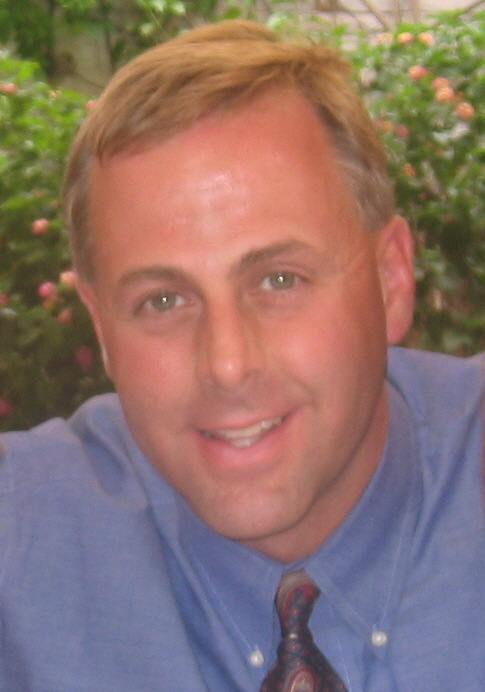
Henry_Klein

Henry Klein www.kleinforkansascity.com

a.    Yes, I support the continued funding.  If anything, I would say we are still underfunded on transit.  Please see my proposals on this subject in a later question.

b.    Primary, Kansas City’s ATA needs to be better represented in Jeff City and Washington.  I will comment more on this in question 6.


Updated for Additional Responses
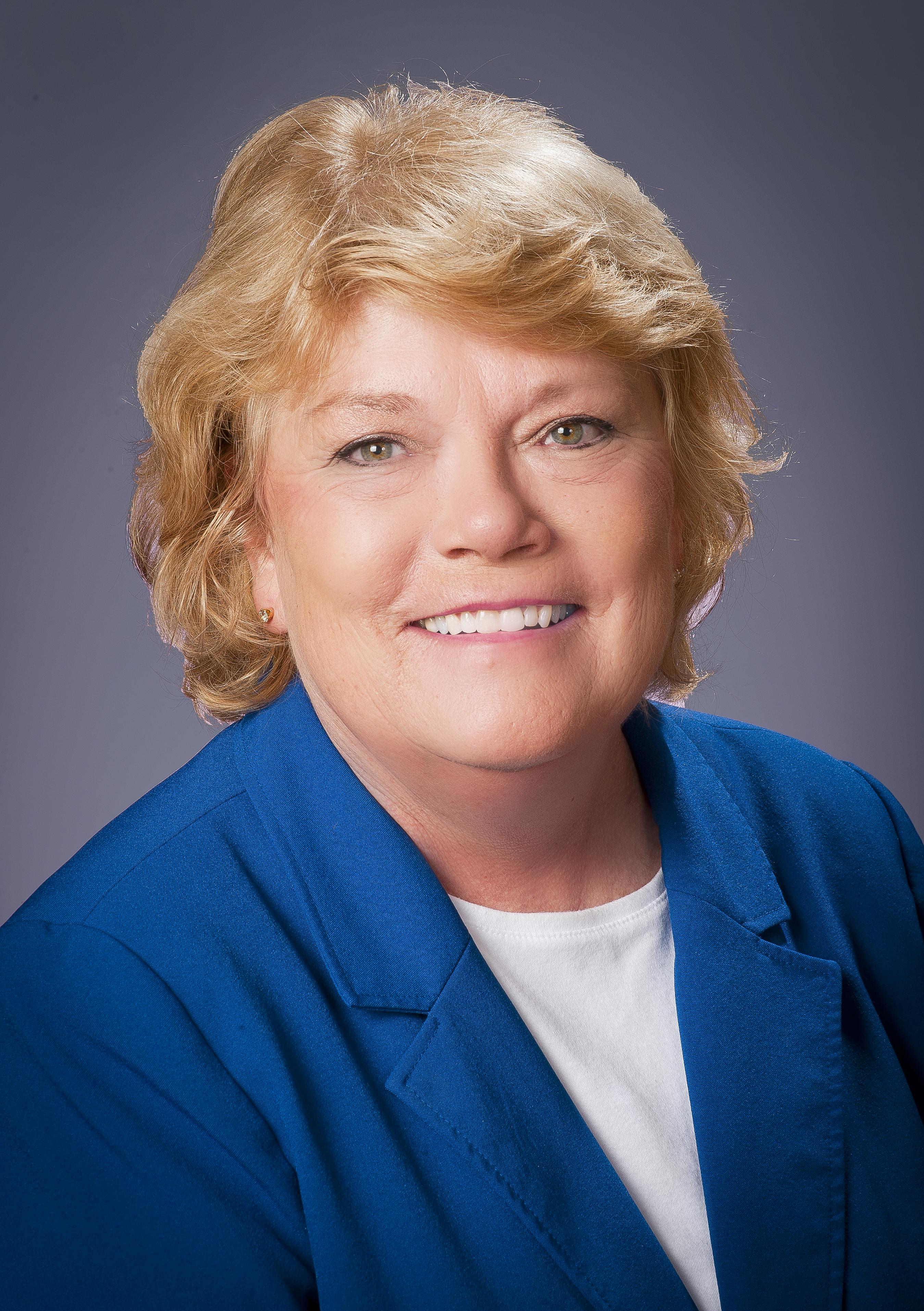
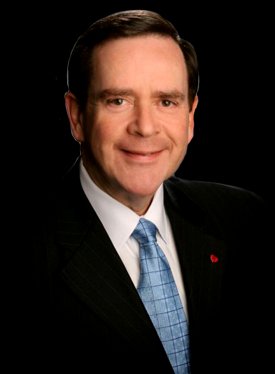
Deb Hermann

Deb Hermann www.debhermannformayor.com

a. Yes, Public Transit is an essential city service.

b. As the City performs other services, such as obtaining ROW, redesigning streets, approving subdivision plats, etc, it should take into consideration present and future transit needs and desires and make those approvals that are consistent with those needs.

Channel 2 could be used more effectively to promote transit, car-pooling and other transit friendly messages.


Mike Burke

Mike Burke www.burke4kc.com

a. A comprehensive transit system is vital to the future of Kansas City.  As we face the imminent prospect of increased gasoline prices the needs become more urgent.  I support continued City funding for transit.

b. I would like to explore more convenient ways for businesses to encourage employee ridership, perhaps through a card swipe system on busses that would allow for employees to ride free. This would be cheaper than paid parking.

Posted in Local Transit Issues | Tagged: | 3 Comments »

Mayoral Candidates Transit Forum at Union Station 1/25/2011

Posted by Transit Action Network on January 27, 2011


Transit Action Network will conduct a blog-site transit forum for Kansas City mayoral candidates starting January 31, 2011. We asked the candidates 6 questions and we will post the answers to one question each day for six days. There are three questions specific to Kansas City, two regional questions and one state/federal question.

Following is a report on the transit forum that took place Tuesday.

Mayoral Candidates Transit Forum at Union Station

On January 25th, seven candidates for the Mayor of Kansas City presented their views of public transit in the Metropolitan Area, with a focus on Kansas City. This forum was hosted by the Regional Transit Alliance (RTA) and intended to garner responses to a set of questions directed to each candidate separately. As the morning advanced, some of the earlier topics appeared to fold into more generalized questions and candidate responses became less specific.

Five of the more important topics of interest include (1) current and future status of transit in Kansas City; (2) funding problems and solutions; (3) public/private sector aspects of transit development; (4) the mayor’s role in transit development; and finally (5) the short-term planning for future spikes in gasoline prices and the probable impacts on existing transit service.

Summary of responses to noted questions

In all cases the seven candidates view the current status of transit as less than ideal, some calling it “anemic” and others “inadequate” and nearly all said that transit will be a high priority when elected mayor.  Mayor Funkhouser suggested that transit paled somewhat because his future mission is to drive down the crime rate in KC. Although all agreed that transit needs improvement and expansion into a regional system, the solutions varied between vague ideas to more specific proposals, such as Henry Klein’s suggestion of small modifications to the existing system with added diversity of  modality (such as zip cars which are rentable on an hourly basis) as the way to begin this process. Others turned to more studies to identify the means to improve transit.

Funding is the elephant in the room and all candidates identified the sadly undeveloped relationships at local, county, state and federal levels as being the major barrier to success. City, county, and state leadership have failed to build the networks and project the common goals that will be required if funding is to be realized. Thus far, transit agencies and entities have relied on lobbyists to do the basics in Jefferson City. Little has come from that effort and expense. Of major concern to all candidates is the potential for shrinkage of federal funding for transit needs and the possible loss from Kansas City’s E-tax revenues. All candidates promised a dedicated role to build coalitions, resolve governance issues and secure long-range transit development for the city, county and region.

Most responses to the public/private sector involvement in transit were both similar and bland in scope and substance. One of the more interesting and complete answers was proffered by Candidate Sly James who suggested reinstatement of the Citizens Commission on Municipal Revenue, a once active coalition of private sector/business community and public sector interests directed to secure optimal outcomes.

The question of the role of the mayor brought out the most animated responses of the morning and all replied that they would use the office as a bully-pulpit for improving public transit in the city and beyond. Again, the current mayor suggested that it is the responsibility of existing agencies (KCATA, MARC) to present a completed plan and it is not the obligation of the mayor, but support can be given after the plan is devised. This was the least assertive response as most of the candidates claimed that they would actively participate in building key relationships to structure the final plans and secure the means to fund and implement expanded transit in the region. All agreed that the role of the mayor would include a high degree of effort to educate the public about the area’s transit needs and future plans, particularly when public approval of funding revenues would be required.

David Mitchell, TAN, submitted the final question of concern regarding a short-term plan for anticipated spikes in the cost of gasoline, hence the increased use of public transit, at least during the period of costly fuel. Little or nothing has been done to prepare for this problem since the last spike in fuel costs approximately three years ago, and it was equally clear that the candidates had given little or no thought to the problem. Deb Hermann did cite a possible use of dollars from the City’s Contingency Fund (recently reinstated by the Council). No one else offered a suggestion.

Reported by Sharon Pendleton, TAN

Posted in Meeting Reports | Tagged: | 1 Comment »

Preparations for Two Transit Studies Move Forward

Posted by Transit Action Network on January 8, 2011


Jan 7, 2011: The major agenda item at a Kansas City, Missouri, Parking and Transportation Commission meeting this afternoon was a report on the downtown streetcar concept by Mark Huffer (general manager, KCATA), Dick Jarrold (project engineer, KCATA), and John Dobies (HNTB).  It was largely the same presentation that Dobies gave to MARC’s Transit Committee last month.  The line is expected to run from River Market to Crown Center along Main Street, and would be the first phase of a streetcar / light rail system that would extend farther south to the Plaza.  One of the issues identified was whether this line would be “serious transportation” or a tourist-oriented line.  Presenters articulated a clear bias toward the “serious transportation” purpose (though there would obviously be tourist implications).  We strongly agree.

Huffer confirmed that the streetcar and commuter corridors Alternatives Analysis studies (AA’s) will be done separately, albeit in a coordinated manner. The $1.8 million that the region has received from the FTA for the studies https://transactionkc.com/2010/12/22/commuter-rail-maybe-maybe-not-1-8-million-to-study-transit-corridors/ is 90% of the $2 million requested, so each study is expected to receive 90% of the original request.  Thus, the downtown streetcar study would receive $540 thousand and the commuter corridor study $1.26 million.

KCMO and KCATA expect to coordinate and provide the local match for the streetcar study, and the ATA has already written a draft scope of services in preparation for issuing an RFP (request for proposals) next month.  They will meet with the FTA on January 20 to work out details, and they hope to get the KCATA Board of Commissioners to approve the draft scope this month.  If all goes well, KCATA could select a consultant as early as April, and the study will likely take about 10 months.  The streetcar AA can move forward quickly because so much of the 2007-08 light rail AA work is applicable.  There’s also a sense of urgency because Kansas City has a shot at getting “small starts” money from the FTA under the current administration — if they decide to pursue federal funding.  This two-mile segment is part of the 14-mile light rail line that was turned down by voters in 2008, and is widely considered the segment most likely to be eligible for federal funding.

The commuter corridors AA for two lines — one to Blue Springs and beyond, and the other to Lee’s Summit and beyond — is much more complicated and will involve a much larger group of stakeholders, including several local jurisdictions, MoDOT, transit agencies, inner-city neighborhoods, transit advocates, trail proponents, the railroads, etc.  It will be coordinated jointly by Jackson County and MARC with Jackson County providing the local match, and it could easily take a couple of years to complete. They will also meet with the FTA on January 20.

Posted in Local Transit Issues, Rail, Transit Studies | Tagged: , , , | 3 Comments »

Commuter Rail? Maybe-Maybe Not – – – $1.8 million to Study Transit Corridors!

Posted by Transit Action Network on December 22, 2010


December 21,2010 MARC announced that the Kansas City Region was awarded $1.8 million by the FTA for ‘Alternatives Analysis’ studies for transit in three corridors.  Two have been identified as having potential for commuter rail — they are part of the ‘Regional Rapid Rail’ system promoted by Jackson County Executive Mike Sanders — and the third has potential for modern streetcar in the downtown to Crown Center corridor.

The media are jumping to commuter rail conclusions based on expectations from Sanders’ innumerable public presentations. In fact, while the studies will look at commuter rail they will also look at other options such as express bus, BRT and even light rail. This is different from the recent ‘Commuter Corridors Study’ in which MARC allowed commuter rail to be the preferred solution.  In an FTA Alternatives Analysis all the transit modes have to be treated in an equivalent manner. The MARC press release http://bit.ly/gial1a is objective and doesn’t promote a particular alternative.  Stories in the Star http://bit.ly/ghL0Mj and KC Business Journal http://bit.ly/dFDt3r jump right to commuter rail conclusions.

The bottom line for now is that press reports about this grant feed unrealistic public expectations. The FTA recently changed its evaluation process and that is partly why rail is being considered again in these corridors. Previous analysis along the I-70 corridor resulted in express buses as the preferred alternative. At first glance commuter rail looks remarkably (and seductively) cost effective.  With closer scrutiny however, the realities of this plan suggest that federal funding will be difficult to secure. Unless the changes to the FTA evaluation process make a huge difference, express buses will likely come out on top for the two suburban corridors.

Meanwhile, the ‘downtown streetcar’ corridor study will restart work in preparation for rail in the most promising corridor for federal funding in the region.

Posted in Local Transit Issues, Rail | Tagged: , , , | 1 Comment »

A Great Victory for Transit!

Posted by Transit Action Network on December 18, 2010


On Thursday December 16, 2010, Kansas City passed an ordinance to restore funding from the ½ cent transportation sales tax to public transit.

The vote in the legislative session was 11-1 in favor of substitute Ordinance 100951. This ordinance directs the city manager and budget office to give public transit at least 95 % of the receipts from this sales tax (after TIF and city administrative fees). The compromise that enabled so many council members and the mayor to support the ordinance is a 3-year phase in period. The process will be incremental and start with the May 1, 2011 budget.  Full restoration will to be completed by May 1, 2014.

This change will amount to an additional $3.5 -$4 million a year for transit when fully implemented.  This is the biggest victory for transit in Kansas City since the vote for the 3/8-cent sales tax.

Transit Action Network (TAN) thanks everyone who worked to pass this ordinance.

TAN would particularly like to acknowledge these efforts:

  • David Martin exposed the problem in The Pitch in September to provide public awareness of the problem.
  • MORE2 (Metropolitan Organization for Racial and Economic Equity) participated in the meetings we had with the acting city manager as well as the council members and the mayor’s chief of staff. They spread the word to their member churches and other organizations.
  • KCATA and the KCATA Board of Commissioners played a major role in promoting the ordinance. KCATA General Manager, Mark Huffer, presented an excellent slide show to the committee that really made the funding problems clear.
  • At the Nov 18th Transportation and Infrastructure (T & I) committee meeting 10 organizations representing over 160,000 people plus all of the transit riders spoke in favor of the transit ordinance. They were the KCATA, KCATA Board of Commissioners, MORE2, Amalgamated Transit Union, AFL-CIO, The Whole Person, Alphapointe, RTA, AARP and of course Transit Action Network.
  • A committee of the Downtown Council sent a letter endorsing the ordinance.
  • The Ivanhoe, Blue Hills and Oak Park neighborhood associations provided support from these communities.

Our blog and tweets brought more people on board, as did the social networking efforts of other transit friendly groups.

All of the above groups generated phone calls, email messages and signatures that poured into City Hall. A lot of direct contact was made with council members too.

Brad Cooper and Lynn Horsley of the Kansas City Star wrote several articles about the ordinance and transit funding issues.

Chris Hernandez of NBC Action News CH41 covered the T & I committee meeting on Nov 18.

Council members Terry Riley, John Sharp, Beth Gottstein, Cathy Jolly and Ed Ford supported this issue immediately. When they saw the budget trends in our meetings they understood a change had to be made to limit the city diverting so much of this sales tax to other uses.

Councilman Ed Ford introduced the ordinance and was the “point man” in making this happen. When the ordinance went to the legislative session in the afternoon it had seven co-sponsors, all of the council members mentioned above as well as Melba Curls and Bill Skaggs from the T & I Committee. Councilmen Riley, chair of the T & I committee, and Ford worked closely on this issue and both of them spoke forcefully for the ordinance at the legislative session Thursday. The other council members didn’t see the final language for the ordinance until then so we were extremely pleased that there was such overwhelming support for the final version.

We appreciate Councilman Ford’s acknowledgment of TAN’s leadership role in this effort in his comments during the legislative session.

We thank Mayor Funkhouser, Council Members, acting City Manager Troy Schulte and staff for finding a compromise that was acceptable to everyone.

Transit gets the security of receiving the money from the 1/2 cent transportation sales tax and the budget office gets some time to make this change. WIN-WIN.

News story in the KC Star:  http://bit.ly/hjcUKH

Transportation and Infrastructure Committee meeting Dec 16, 2011

(Note: video link not available at this time. This blog will be updated when it is available)

Link to City Council Legislative Session Dec 16, 2011(click on 100951 to go directly to this ordinance)

http://kansascity.granicus.com/MediaPlayer.php?view_id=2&clip_id=4905

Posted in Action, Local Transit Issues | Tagged: , , | Leave a Comment »

Alert! Date Changed for hearing on Ordiance 100951 – DEC 16

Posted by Transit Action Network on December 11, 2010


Alert! At the Transportation and Infrastructure Committee meeting on Dec. 9, Councilman Riley announced that Ordinance 100951 will be addressed next week on DECEMBER 16.  Additional testimony will be allowed. The Transportation and Infrastructure Committee meeting will be at 9 am on the 10th floor of City Hall.

Posted in Action, Local Transit Issues | Tagged: , , | Leave a Comment »

Transit Supporters Unite at KC City Hall 11/18/2010

Posted by Transit Action Network on November 23, 2010


Transit Action Network and nine other groups united last Thursday to testify at the Transportation and Infrastructure Committee meeting to endorse Ordinance 100951. The ordinance was introduced by Councilman Ed Ford and co-sponsored by Council members Gottstein and Sharp.

This ordinance would help restore funding to transit. The city has diverted money to other purposes against the obvious intentions of the citizens who voted in 2003 and 2008 for an additional sales tax to improve and expand transit. In 2003 the city took $1.9 million from the 1/2 cent transportation tax for non-transit purposes and in 2010 they are taking $ 5.2 million.  This shift in city budgeting has left a big hole in the transit budget.

Mark Huffer, General Manager of KCATA, started the testimony by providing a very informative slide show about the financial difficulties of KCATA, which are partly caused by the recession and partly caused by City Council budget decisions.  After his presentation, there were presentations by representatives of the ATA Board of Commissioners, MORE2, Amalgamated Transit Union, AFL-CIO, The Whole Person, Alphapointe, RTA, AARP and of course Transit Action Network (TAN).

These presentations provided a huge outpouring of support from transit professionals, transit advocates, religious and social equity networks, and representatives from organizations representing the disabled, the elderly and the unions.

When we began meeting with the acting city manager and the council members in August, we were told repeatedly that they never heard from transit. We don’t think they can say that after Thursday.

The head of the Public Works department expressed concern about the ordinance.  Of course his department has benefited from the money diverted to non-transit projects. However, transit has taken an unfair share of the burden in this recession. Transit suffered by losing funding from both the downturn in sales tax receipts and the excessive amounts of money diverted by the city to non-transit purposes.

Links to media coverage

Video of Nov 18 City Council hearing on 100951 is on the City website at http://bit.ly/bdfR9X.  Public testimony begins about 22 min into this 48 min clip.

Recent press about Ordinance 100951:

Nov 14 Star story http://bit.ly/cscKLd

Nov 18 Star editorial http://bit.ly/c2aIvG

Nov 18 Ch41 story http://bit.ly/9Lzyyy with 2m05s news clip

Nov 19 Star story http://bit.ly/csLEPn

Please contact your city council members and the mayor to support Ordinance 100951 and restore funding to the transit system.

Contact information. http://kcmo.org/CKCMO/CityOfficials/index.htm

After Thanksgiving: What does this ordinance really do and why is the transit community so adamant about it?

Posted in Action, Local Transit Issues | Tagged: , , | Leave a Comment »

KCMO Ordinance Would Protect Transit Funding

Posted by Transit Action Network on November 10, 2010


Transit Action Network (TAN) is very pleased to announce that Councilman Ed Ford introduced KCMO Ordinance NO. 100951 to the city council last week. The ordinance was co-sponsored by Council members Ford, Sharp and Gottstein.

This ordinance would restore transit funding and restrict what the city can use for non-transit projects. It limits the City’s use of the 1/2-cent transportation tax for non-transit related purposes to 5%. Currently, KCMO is using approximately 18% for such purposes, or in excess of $5M. Although the City has the legal right to do so, we believe it is inconsistent with the voters’ desire to improve finances for public transit, as evidenced by their overwhelming support for the 3/8-cent transit sales tax in the elections of 2003 and 2008.

TAN started working to get an ordinance to restrict the city’s use of the 1/2-cent transportation sales tax in August when we met with the acting city manager Troy Schulte. Subsequently we have met with city council members and the mayor’s chief of staff. MORE2 (Metro Organization for Racial and Economic Equity) has participated in these meetings with city officials and we have worked together closely on this effort.

TAN requested limiting non-transit expenditures to 4%, so this proposed ordinance is consistent with our request. We have been working with KCATA, which also made the same request.

We will be testifying in favor of this ordinance Thursday, November 18th at the Transportation and Infrastructure Committee meeting at 9 am, 10th floor of City Hall.

The first step in passage of this ordinance is for the committee to support the ordinance and send it to the whole city council. If that happens, then the city council needs to pass the ordinance. Seven votes are needed in the full council to pass the ordinance.

Committee members are Councilpersons Riley, Curls, Jolly, and Skaggs. Please let them know that you are in favor of this ordinance.

It is also appropriate to contact other Council offices and simply let them know you are in support of this ordinance.

We are reaching out to other organizations and Kansas City neighborhoods to encourage the city to adopt this ordinance.

ORDINANCE NO. 100951

Amending Chapter 68, Article VII, Code of Ordinances of Kansas City, Missouri entitled “Sales Taxes,” to enact a new section which provides for the distribution of the transportation tax.

BE IT ORDAINED BY THE COUNCIL THAT:

Section 1: That Chapter 68, Article VII, Code of Ordinances of Kansas City, Missouri, entitled “Sales Taxes,” is hereby amended by enacting a new section 68-472.1, entitled “Distribution of tax,” to read as follows:

Sec. 68-472.1 Distribution of tax.  At least ninety-five percent of the sales tax for transportation imposed by Sec. 68-471 of this article and deposited in the City’s Public Mass Transportation Trust Fund shall be appropriated and paid by the City to the Kansas City Area Transportation Authority for purposes as provided in RSMo. 92.400 – 92.421 inclusive. Any portion of this appropriation and payment in excess of that designated by contract as being due the Kansas City Area Transportation Authority for performing its contractual obligations to the City shall be utilized by the Kansas City Area Transportation Authority for its general purposes in providing a public mass transportation system.

Please do not hesitate to contact TAN if you need to discuss this issue. We appreciate your help.

Email: TransActionKC@gmail.com

Link to ordinance on the city website.

http://tinyurl.com/3xmuhfm

Posted in Action, Local Transit Issues | Tagged: , , | 2 Comments »

Update on KC transit funding 10/4/2010

Posted by Transit Action Network on October 5, 2010


Kansas City has been diverting the half-cent sales tax money away from transit for several years.  As a result, transit service was cut last year by 9.5 percent and fares were increased 20 percent.

Transit Action Network (TAN) is asking the Kansas City city council to pass an ordinance to limit the city’s non-transit use of the ½ cent sales tax that feeds the Public Mass Transportation Fund. We would like to see a limit in the range of 4%-5%, which would be in line with the amount the city used for these items when the voters enacted the supplemental 3/8-cent transit sales tax.

The city’s use for non-transit related projects has grown from under 5% in 2003 to over 18% in 2010.

Even in this recession, the city is receiving more in sales tax than it did in 2003, yet public transit is getting $5 million less this year than in 2003. The money is going to road related projects instead of transit.

Transit Action Network has already met with nine council members and acting City Manager Troy Schulte. A member of MORE2 (Metropolitan Organization for Racial and Economic Equity) has been part of the delegation at nearly all of these meetings. We are working with MORE2 because this issue affects getting to and maintaining jobs, which is important to both our groups.

We have met with: Troy Schulte, Cindy Circo, Beth Gottstein, Terry Riley, John Sharp, Jan Marcason, Bill Skaggs, Cathy Jolly, Ed Ford and Melba Curls.  We have meetings scheduled with the remaining council members.

We updated the Kansas City Area Transportation Authority Board of Commissioners at their September 22 meeting.

We are also making arrangements to speak at neighborhood associations to expand the awareness of this problem. We have already scheduled presentations for the Ivanhoe and Blue Hills neighborhoods.

This is also a sustainability issue. The city needs to make its actions match its green value system. The city has adopted numerous green initiatives and improving transit is a major component of sustainability. You can’t get to sustainability by de-funding transit.

TAN members spoke last March at the city council’s budget hearings, but we learned that was too late.  Now is the time to speak out about the budget if there is any hope of affecting it.

When we met with Troy Schulte in August he advised us to RAISE THE LEVEL OF DISCUSSION ABOUT TRANSIT, and he reminded us that the SQUEAKY WHEEL GETS GREASED.

So we’re beginning to squeak.  Loudly.

Some council members didn’t know about this issue and needed to do some research.  Some are ready to support limiting the city’s use of these funds.  Only one has been adamant about “not hamstringing the budget!”

We don’t’ think the way to fix the city’s other problems is to create a new problem by gutting the transit system.

If you haven’t contacted your councilperson and the mayor, please do so.  You can get their email address or phone number at http://kcmo.org/CKCMO/CityOfficials/

Posted in Action, Local Transit Issues | Tagged: , , | 3 Comments »

KC is Crippling Its Transit System …. and how to fix the 2011/2012 transit budget

Posted by Transit Action Network on September 15, 2010


Kansas City has not been fully funding the transit system for several years. Instead, the city is systematically diverting funds previously used for transit to non-transit projects, such as traffic signals.

The transit system is funded by two different sales taxes. The 1/2-cent sales tax feeds the Public Mass Transportation Fund (PMTF). This fund is where the problem exists. The 3/8-cent sales tax is a transit-dedicated fund so the transit system gets those monies.

Since the 1/2-cent sales tax is for TRANSPORTATION, not TRANSIT, it is legal to use the money on things like traffic engineering or road signs. However, this fund has been the foundation of transit funding in the city since it was originally passed. When voters approved the 3/8-cent sales tax it was supposed to supplement the 1/2-cent tax to provide greater transit in the City. Soon after the passage of the new tax the City started diverting more and more of this money to other projects. When the supplemental tax was passed the KCATA was receiving 87% of the money from the PMTF. By the time the recession hit KCATA was only getting 80% of the money and the city’s portion had risen from under 5% to over 9%.

Then the recession hit in late 2008. What happened in the next budget? The transit funding was severely cut to 69% of the receipts while the city’s portion rose to 15%. Of course people expected to see reductions in service, after all this was a huge economic downturn. Therefore, people just bit the bullet and accepted the transit situation without a whimper. The City continues to siphon off more money for non-transit uses. It may be legal but it sure isn’t right!

When the 2009/2010 Budget was announced the KCATA had to scramble to adjust to the severe last minute cut. It reduced service nearly 10% and raised fares 20%. The sales tax receipts are more today than they were in 2003 yet the KCATA is receiving $5 million less from this fund.

The KCATA cannot maintain the current level of reduced service with the money it is receiving from the City. So how is KCATA funding the transit system at this level? By exhausting its reserve account. When the 3/8-cent sales tax passed the KCATA started a reserve account. They could see the trend of the City’s budgeting for the PMTF even before the huge shock with the 2009/2010 Budget. This reserve had been allowed to grow. With the reduced service and higher fares, KCATA calculates it can survive at the current level of service by using up the reserve until the end of 2013 when the money will be depleted. At that point KCATA might have to cut service another 35% unless things change.

This is a really ineffective way to fund a transit system. Transit funding might have to fluctuate with sales tax receipts, TIF obligations and city administrative fees, but it should not be subjected to city bureaucrats or city officials utilizing the money for non-transit related projects.

No business can manage effectively with wild fluctuations in revenue, especially when those fluctuations are not caused by the economy. If we want the KCATA to expand and improve transit we have to make sure they receive the funds they were intended them to have.

Transit Action Network wants to regain some sanity in transit funding. By putting a legal cap on what the city can use for non-transit projects, the PMTF can once again be the foundation for transit funding and the KCATA can regain the necessary confidence about it’s future funding to once again begin to plan for transit expansion.  That security would allow KCATA to implement the recommendations that come out of the Comprehensive Service Analysis currently underway.  KCATA could also feel comfortable maintaining a reasonable reserve amount.

Transit Action Network is already meeting with city council members. We have partnered with the Metropolitan Organization for Racial and Economic Equity (MORE2) to help bring about this change. We have started making appointments with neighborhood leaders in the Green Impact Zone. We hope to mobilize the residents of Kansas City to stand up for the transit system.

Let your council members and the mayor know you are concerned about this situation and encourage them to create a legal cap to restrict funding non-transit projects in the PMTF. Our solution is stated below in a document we are delivering to the council and the mayor. Or just ask them to implement the legal cap on non-transit projects proposed by the Transit Action Network (TAN).

We will be posting updates to this effort on this blog as well as on our twitter account http://twitter.com/transactionkc.

Document for City Council Members and the Mayor

TRANSIT ACTION NETWORK

Issue: 2011/2012 Budget for the 1/2 cent Public Mass Transportation Fund

Our Position: The City has diverted an increasing and excessive amount of the 1/2-cent Public Mass Transportation Fund away from transit to non-transit projects. We believe the non-transit portion of this fund should be legally capped at 4 percent of Total Revenues (Sales Tax Receipts less TIF). This cap will assure that the separate 3/8-cent Transit Sales Tax supplements the 1/2-cent Sales Tax to improve and expand transit for Kansas City’s citizens.

History:

Kansas City 1/2 cent Public Mass Transportation Fund
Budget 2003/2004 2008/2009 2009/2010 2010/2011

Receipts

$28,789,178 32,560,000 31,218,750 29,600,000

City-non transit

1,333,411 3,083,561 4,813,252 5,413,196

ATA contract

$24,976,506 26,349,787 21,551,903 19,870,641

% of receipts

City %

4.63 9.38 15.42 18.29

ATA %

86.76 80.19 69.04 67.13
  • Drastic cuts to transit funding are crippling the transit system

In 2003/2004 the 1/2-cent tax generated $29 million, and $25 million (86.7%) was used for transit. The city used $1.3 million (4.6%) of revenue for non-transit purposes.

The City began diverting large amounts from this fund to non-transit projects after passage of the 3/8-cent transit sales tax in 2003.  This trend began well before the current “revenue crunch” and had already reached 9.4% of receipts by the 2008/2009 Budget.

Receipts estimates for 2010/2011 are $29.6 million but transit will receive only $19.9 million or 67% (significantly less than in 2003/2004), while the city will increase its take to $5.4 million or 18.3%.

People expect to see cuts to transit services during severe recessions. Unfortunately, this expectation provided the cover necessary to nearly double the percentage used for non-transit projects to 18.3% in the 2010/2011 Budget as compared to 9.4% in the 2008/2009 budget by cutting transit funding.

When voters approved an additional 3/8-cent transit sales tax in 2003, and renewed it in 2008, they expected it to supplement the 1/2-cent tax, not replace it.  Whereas the 3/8-cent transit sales tax was to increase transit, transit service has actually been shrinking and fares have been increased 20% because of the diversion of the 1/2 cent transportation funds.  The City is not keeping faith with the electorate.

This budgetary trend jeopardizes the City’s ability to increase sales taxes for additional transit, such as a streetcar, or to receive emergency funding for transit services from state and/or federal sources.

The trend of using less of the sales tax receipts for transit and more for non-transit appears to be systematic and intentional and we believe this needs to be reversed.

  • Jobs

In a recent survey by ETC Institute, 65% of local transit trips are for job related activities such as commuting to work or seeking employment.

A recent report from Transit Equity Network (TEN), More Transit=More Jobs, shows that there is more job creation with increased levels of transit funding than there is with funding roads.

  • Sustainability

Kansas City has recently adopted strong policies in support of sustainability and has undertaken a number of green initiatives.  Transit is an integral part of making Kansas City sustainable and green.  Diverting 1/2-cent sales tax revenues away from transit is not consistent with the Council’s adopted policies.

Contact:

Transit Action Network

Website: http://TransActionKC.com

Email: TransActionKC@gmail.com

Read David Martin’s Transit Article in the Pitch 9/15/10 

KC’s lousy bus service stems in part from City Hall’s lousy budgeting

http://www.pitch.com/2010-09-16/news/kcata-bus-service-still-lousy/

Posted in Action, Local Transit Issues | Tagged: , , | 1 Comment »

Action! – The Green Impact Zone

Posted by Transit Action Network on July 24, 2010


July 21-The Green Impact Zone* (GIZ) is one of our current “targets” for action! Loaded down with KCATA brochures and our own  Summer Fun on Transit-GIZ flyer, we introduced the Transit Action Network (TAN) to several GIZ neighborhood leaders.  We expressed our desire to be one of the partners working to transform the “Zone” toward sustainability and energy-efficient living.

We reminded everyone that earlier this year TAN and GIZ residents contacted our representatives in Jefferson City during their work on the state budget. Together we helped play a role in $3 million being set aside (at least tentatively) for KCATA. The release of the funds is dependant on the state’s economic condition.

We want to continue working with the Green Impact Zone to encourage the KC City Council and the Missouri State legislature to adequately fund our transit service.

Several leaders were interested in our handouts, and we asked them to consider us a transit resource. We even “invited” ourselves to attend meetings in their individual neighborhoods to learn more about the transit needs as seen by those who live in the GIZ.

*The Green Impact Zone is a cooperative effort to focus federal stimulus funds on projects in a 150-square block area of Kansas City, Mo. – bounded by 39th St. on the north, 51st St. on the south, Troost Ave. on the west, and Prospect to 47th to Swope Parkway on the east.

Posted in Meeting Reports | Tagged: , | 1 Comment »

TAN to City Council–Postpone Support for Commuter Rail

Posted by Transit Action Network on May 20, 2010


Two weeks ago Mike Sanders and Jim Terry (TranSystems) presented the Regional Rapid Rail concept to the Kansas City Council and requested a letter of support for a $4.5 million earmark to do an Alternative Analysis of this concept and supporting transit. The Kansas City Council proposed a resolution to provide this letter. Testimony was held this morning on the resolution.  Mike Sanders and Jim Terry spoke in favor of the resolution. Ron McLinden spoke in favor of putting the resolution on hold until the MARC Commuter Corridor Study is complete in 6-8 weeks. This study is supposed to evaluate the feasibility and viability of the concept. The legislative committee passed the resolution this morning.

Link to Kansas City’s resolution

http://cityclerk.kcmo.org/liveweb/Documents/Document.aspx?q=YqMTgyrZqfbuzQ4IU2LxaHt4aTbzM6yZAILEMUBDk4MoMoIapbXkhY9XeKSqKxrE

Below is a copy of Ron’s statement this morning.

Presentation to the Kansas City Council Legislative Committee on May 20, 2010 by Ron McLinden

The idea of turning underused rail lines into a regional transit system is appealing – almost seductive.  There’s a lot of interest in having rail transit.  Every big city has it, and we don’t want to be left behind.  There’s less agreement, of course, about where it should go, and how we should pay for it.

In January, 2008, when the ATA was doing its most recent light rail study, you heard a presentation from Jeff Boothe, a rail transit expert from Washington, DC.  I recall distinctly one of the things he said:  Before you do light rail you need to know what you want it to do for you.

The same applies today.  What do we want rail transit to do for us, and will this proposed system actually do it?

You may be aware of a commuter corridors study that Mid-America Regional Council has had under way for about six months.  Its principal focus is to determine whether this commuter rail concept makes sense:  Can it deliver the travel time savings needed to attract enough riders to make it a viable project, one that can successfully compete for federal funding?  That study should be completed in six to eight weeks.  We suggest that you hear the results of the MARC study before you endorse the concept.

The concept envisions using city streets for some of the most critical rail segments, and it would cross several boulevards at grade.  We suggest you get input from your Public Works Department, and also from the Parks Board.

If you adopt this resolution now, before you have all the facts, you will further heighten public expectations about a concept that might or might not be viable.  The resolution says that you support asking for federal money to study the proposal further, but the headlines will say that commuter rail is a big step closer to becoming reality.

Candidly, we’re concerned that this proposal is a distraction from more fundamental transit issues:  What kind of total transit system will best serve the citizens of Kansas City, and help our city to grow as the vibrant urban center of the region?  How can we assure adequate and reliable funding for the transit service we already have, and for expansion to meet growing needs?

All of us applaud Jackson County’s interest in transit, and we should seize this opportunity to work with the County to put in place a mechanism for county-wide funding of major transit corridors, including commuter service using buses or rail.  Creating a county transit authority under existing state law is one such funding mechanism.  Jackson County outside Kansas City has unmet transit needs, and funding will be needed regardless of what kind of transit service is ultimately provided, so let’s get going on it now.

In summary, here’s our request to you:

+  Put this resolution on hold pending the results of the MARC study, and input from Public Works.

+  Join with other elected officials and work with Jackson County to establish a broader funding base for transit through creation of a county transit authority.

KC Regional Rapid Rail Concept

Posted in Rail, Regional Rapid Rail, RRR | Tagged: , , , | 2 Comments »